

Modernize Automotive Engineering Operations for the Software-Defined Era
Navigating increasing software complexity, compressed development timelines, and growing OEM expectations for traceability and collaboration?
Connect engineering data across the product lifecycle through a unified digital thread, aligning software and hardware development in a single environment.
Access our guide on Why ALM Without PLM Creates Engineering Blind Spots.
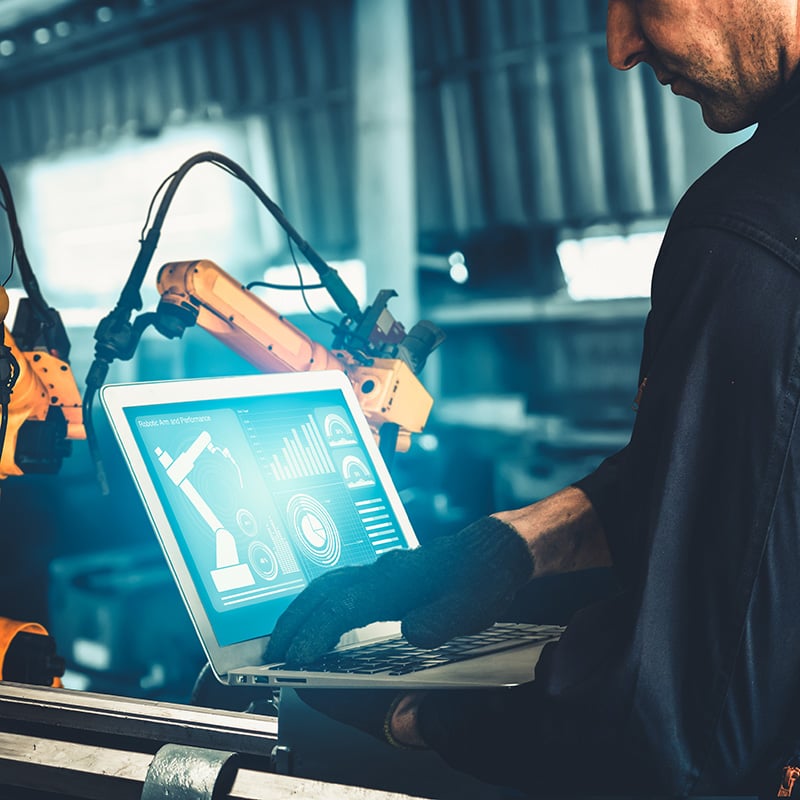
Align Engineering Operations for Faster, More Connected Development
Modern automotive development depends on the ability to connect software, hardware, quality, and manufacturing data across the entire lifecycle.
EAC moves suppliers beyond disconnected systems and manual processes toward a more connected and scalable operating model. By aligning software and hardware development, lean teams can achieve these key outcomes.
Key Outcomes
Accelerate Cross-Functional Engineering
Enable software and hardware teams to work in parallel instead of sequentially, helping reduce delays caused by disconnected development workflows.
Improve Operational Efficiency
Customers adopting integrated engineering workflows have reported measurable reductions in rework and improved engineering productivity, with some organizations reporting development cycle improvements of more than 40% based on industry and customer-reported outcomes.
Strengthen Traceability and Compliance
Support requirements for ISO 26262, audit readiness, and emerging Battery Passport initiatives with connected lifecycle traceability.
Build a Foundation for Scalable Digital Transformation
Create a connected engineering data model that supports future AI, analytics, and manufacturing optimization initiatives.


Reduce Disconnected Engineering Workflows
Facing growing pressure to deliver more sophisticated products with tighter timelines, leaner teams, and increasing software complexity?
Software development cycles move significantly faster than traditional hardware processes. When engineering data remains disconnected across systems and teams, the result is avoidable rework, delayed validation cycles, audit challenges, and slower production readiness.
Benefits of a Connected Lifecycle Approach
Automated Traceability
Improve visibility across requirements, testing, risk management, and product changes while reducing manual documentation effort.
Greater Margin Protection
Reduce inefficiencies caused by fragmented engineering systems and duplicate data management processes.
Organizations consolidating engineering data into connected lifecycle environments have reported ROI outcomes as high as 236% with payback periods as short as 0.4 years based on customer-reported results.
Scalable Engineering Foundation
Establish a connected data environment capable of supporting advanced analytics, AI initiatives, and future manufacturing optimization efforts.
Improved Collaboration Across Teams
Provide engineering, quality, and manufacturing teams with shared lifecycle visibility to support faster decision-making and issue resolution.
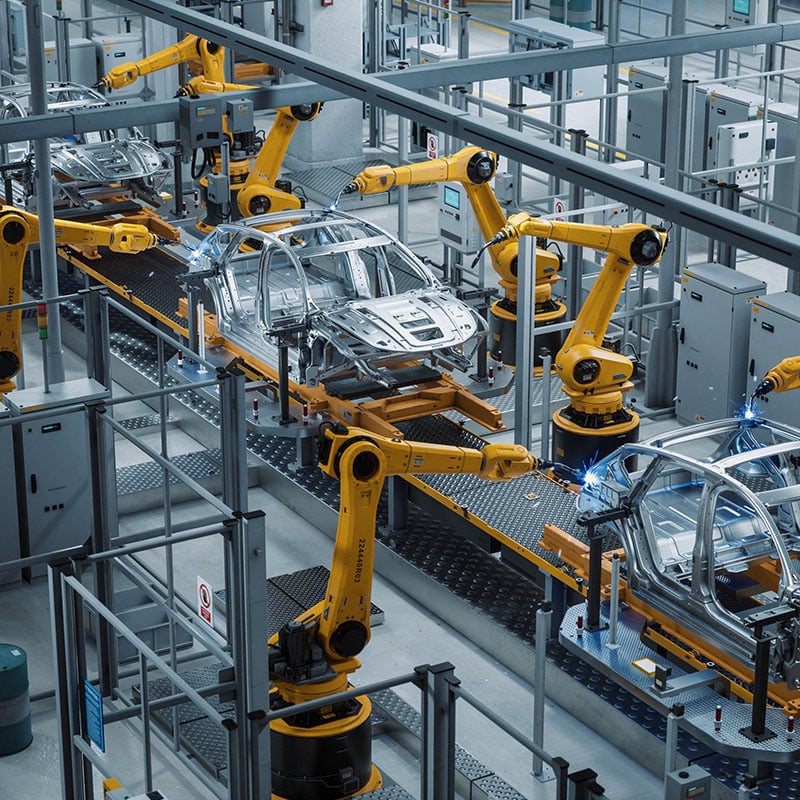
Core Capabilities for Automotive Engineering Modernization
Modernizing automotive engineering operations requires more than implementing new software tools. It requires a connected strategy that improves collaboration, supports traceability, and enables lean teams to scale efficiently.
EAC helps suppliers build a practical engineering modernization roadmap using integrated ALM and PLM technologies designed to support real-world operational challenges.
Integrated ALM & PLM
Connect software and hardware lifecycle data to improve visibility, traceability, and cross-functional coordination.
Parallel Engineering
Enable software and hardware teams to work simultaneously to support faster product delivery cycles and reduce development bottlenecks.
Organizations adopting parallel engineering strategies have reported development cycle reductions exceeding 40% in some implementations.
Engineering Traceability
Improve requirements management, validation tracking, and audit readiness for evolving OEM and regulatory expectations.
Lean Team Enablement
Simplify engineering workflows with usable, scalable systems that support adoption without unnecessary platform complexity.
Change & Configuration Management
Improve product data consistency and reduce downstream errors caused by disconnected engineering updates.
AI & Analytics Readiness
Create a connected engineering data foundation capable of supporting future AI-driven operational insights and optimization initiatives.
One Connected Lifecycle Strategy Powered by PTC Technologies
EAC combines engineering transformation expertise with industry-leading PTC technologies to help automotive suppliers connect product development, software engineering, manufacturing, and quality operations.
Together, these solutions create a connected digital thread across the product lifecycle.
Portfolio Components
Codebeamer
Application lifecycle management (ALM) technology that supports requirements management, risk management, validation, and software traceability for software-defined product development.
Windchill
Product lifecycle management (PLM) platform that centralizes product data, engineering collaboration, quality processes, and configuration management.
Creo
Advanced CAD solution that supports product design, engineering collaboration, and concurrent development workflows.
Integrated Digital Thread Strategy
A connected lifecycle approach that aligns engineering systems, improves data continuity, and supports more efficient decision-making across teams.
EAC works alongside automotive suppliers to evaluate current engineering environments, identify integration gaps, and implement scalable modernization strategies aligned to operational goals.
Trusted by Teams Solving Complex Problems
From engineering teams to enterprise leaders, organizations trust EAC to bring clarity to complex product development environments. We don’t just implement technology. We help ensure it delivers real, measurable outcomes.




Start Building a More Connected Engineering Environment
Disconnected engineering systems create avoidable delays, audit challenges, and unnecessary rework.
EAC helps automotive suppliers evaluate current engineering operations, identify lifecycle gaps, and develop practical modernization strategies powered by integrated ALM and PLM technologies.
Whether your organization is focused on traceability readiness, software-defined vehicle complexity, engineering collaboration, or scalable digital transformation, our specialists can help define the next step.